Practical guides to the house, the yard and the systems that fail in them.
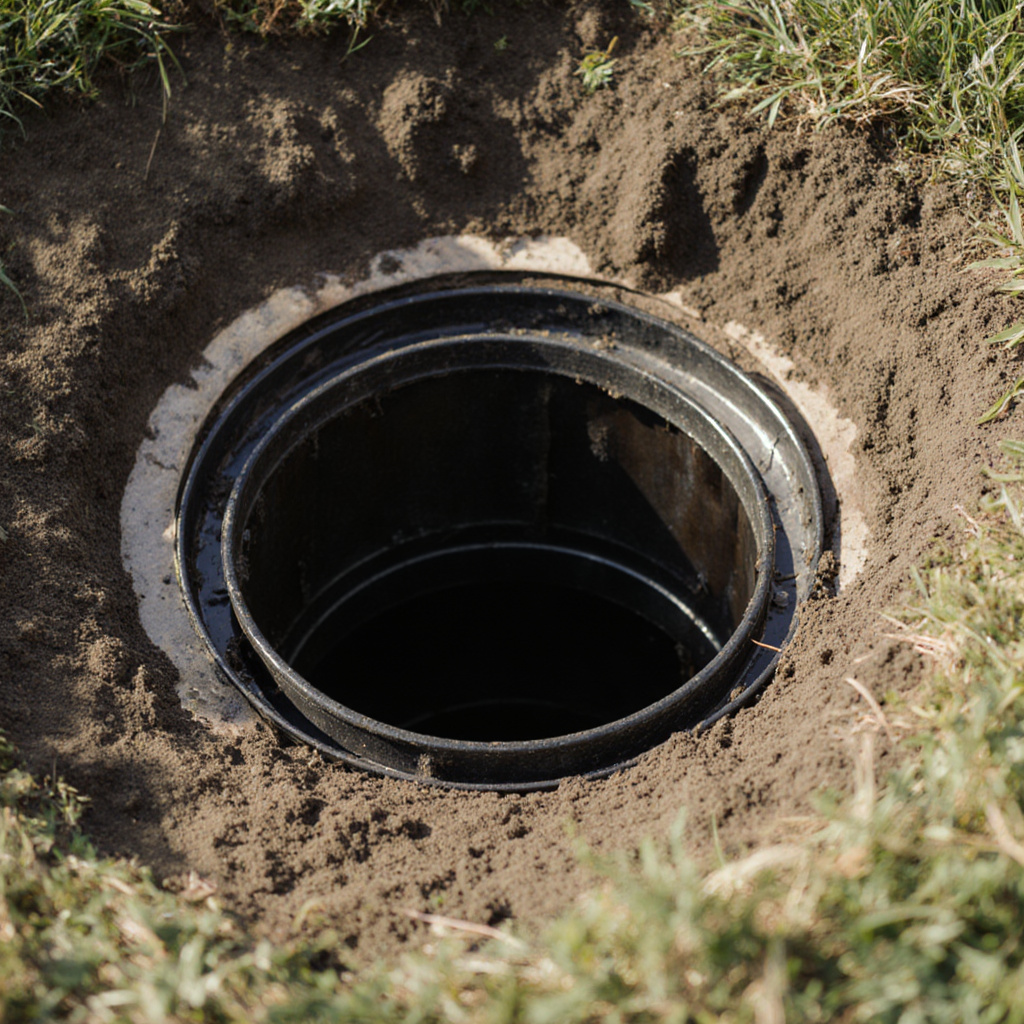
Guides to the parts of a house that are expensive to get wrong: ground that has to be held back, water that has to be sent somewhere, floors that have to survive a chair, and buried pipe that only announces itself once. Every page names the standard or the code section it leans on, and none of them quote a price.
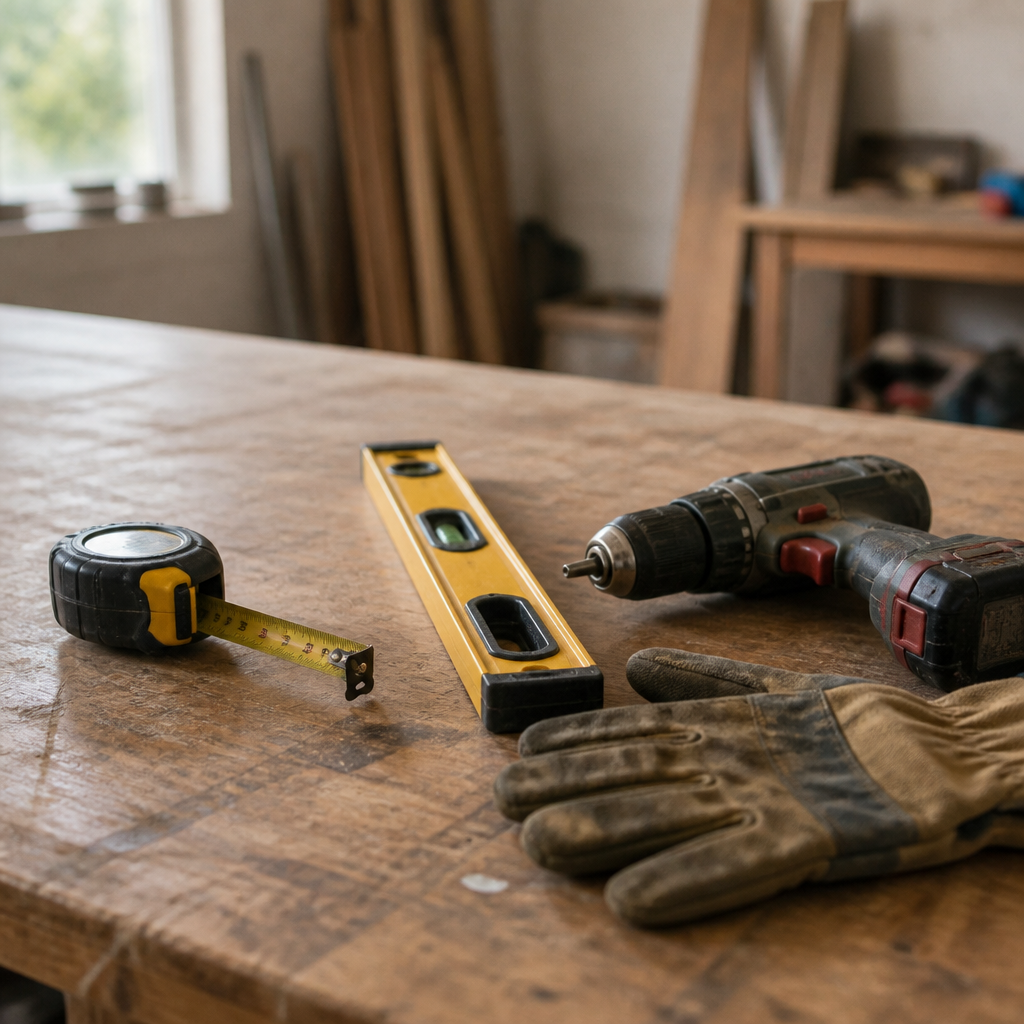
Most of what follows is decided before any of this comes out of the bag: the base, the drainage, the order of the work.
A dry stack wall has no mortar. It holds soil back with mass, with friction between courses and with a deliberate lean into the hill. Nearly every failure comes from the two parts nobody photographs: the compacted levelling pad underneath, and the drainage stone behind.
The full sequence is here, from the 811 call to the cap adhesive, along with the height at which the job stops being a weekend project and becomes an engineered structure.
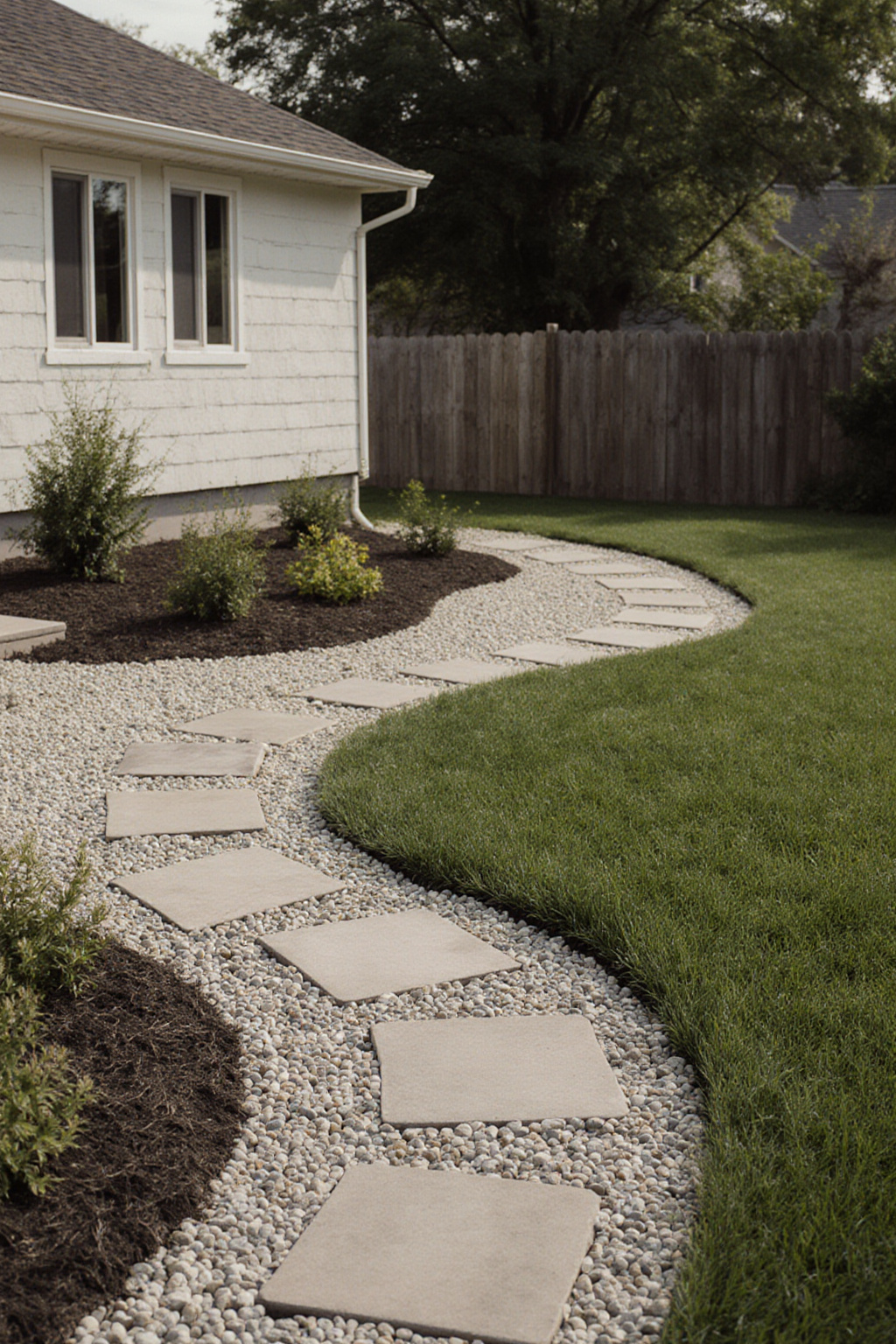
Everything outside the walls that has to hold ground, shed water or stay put.
Almost all of it gets done in the six weeks either side of the Fourth, because that is when a mid-Atlantic yard is dry enough to work and when it is finally asked to carry thirty people at once. If you are timing a patio, a wall or a deck rail around that weekend, the local run-down of July 4th in York, PA is a better planning calendar than any of ours: it says when the roads close, when the crowd leaves the park and how late the noise runs.
A yard that gets regraded, paved or planted in stages wants a sketch before a shovel. For readers who would rather arrive at a landscaper's office with that sketch already argued out, the pages on residential landscape planning walk a project from the scaled survey and the site analysis to the questions worth bringing to a consultation.
The plants that go in after the hardscape deserve the same sourcing care as the blocks. The Nursery Ledger reads specialty nurseries and mail-order plants the way this site reads a quote: how to spot the nursery that grows its own stock, how to read a catalog, and what bare-root delivery asks of the first season.
A practical look at house decisions: energy, materials, renovation and resale. Check the building, the climate and the real use before any plan or quote.
Floors and finishes, judged on what they do rather than how they photograph.
A dog is part of the load a floor carries, and a household that keeps one eventually argues about the coat it is looking at. Border Collie Colors describes Border Collie coat colours pattern by pattern, separating what a dog looks like from what its genetics can actually promise.
The evenings the house gives back are for reading that has nothing left to fix. The Noir Dossier is a field guide to American film noir, twelve short chapters from Expressionist lighting to neo-noir, each answering one question.
The envelope: the two purchases that cost the most and get the least scrutiny.
For readers who keep a house themselves, Sijalica is a Serbian magazine on housing culture that treats upkeep as routine: a roof checked twice a year, bathroom taps and wallpaper in the residents' own hands.
While you are checking the roofline and the exterior, The Home Fire Watch covers what needs checking indoors: a smoke alarm testing guide, carbon monoxide alarms and a practised escape plan.
For readers working along the exterior envelope, The Sash and Frame Ledger explains replacement doors and windows in England, including energy ratings and the checks that come before signing.
The order of operations, which is the only part of a budget that is free to get right.
For readers who keep a New York City apartment or a small building, Curb and Container explains NYC trash and recycling rules, set-out times, container rules and curbside compost in plain English.
Home upkeep includes the wardrobe: a weekly routine for washing, drying and small repairs that treats clothing like the rest of the house, maintained rather than replaced.
Beer keeps best where the house is already cool, dark and steady. Choosing that corner, and knowing what light and heat do to a bottle, is a storage problem like any other.
A herding-bred dog reads a fence as a problem to solve. What the boundary has to survive, where gates fail, and the ground rules that keep a working dog in and the yard intact.
A utility shelf is where the house keeps its solvents, pesticides and pills. With a dog in the house the shelf stops being storage and becomes a controlled zone, and a few minutes of placement prevents the commonest kind of emergency.
Leather is the upholstery that tolerates a working household, if the finish is read before buying and the maintenance is kept small and regular. What aniline and pigmented hides each ask, and what light and dry air do.
A clay tile roof outlasts almost everything on the house and fails differently: not in the field but at the flashings, the fasteners and the feet of the people who walk on it. What the inspection looks like and which repairs belong to specialists.
A house journal is the difference between a repair history and a pile of receipts. One document, seasonal entries, and the four lists that make a house legible to its next decade and its next owner.
The room between the yard and the house does the dirtiest job in the building. With a working dog it becomes a wash station, a drying room and a gate line, and the specification is mostly floor, drain and reach.
A thermal camera, a moisture meter and a stud finder each see one thing through a wall. What each instrument actually measures, what it cannot prove, and why every image needs a second instrument before the saw comes out.